 |
| The Illustrated Guide to Sheffield, 1879 |
Ward and Payne, Ltd., Limbrick Works, Hillsborough, Sheffield made many types of forged hand tools during its long existence. These included brick trowels and various chisels for masonry. Its
1953 Price List included "shears, secateurs, trowels, forks, cultivators, dibblers, hooks, hoes, rakes, spades, shovels, chisels, pliers, pincers, adzes, hatchets, choppers, augers, bits, drills, braces, try squares, levels, gauges, turnscrews, spokeshaves, saws, bradawls, punches, blades, planes, caulking irons, scrapers, plumb bobs, masons tools, hammers, pincers, needles, spanners, grips, calipers, vices, cramps, stops, compasses, dividers, ladles, mallets, wedges, knives, groovers, figure and letter marks, oil cans, glue pots." Earlier, they also made wood chisels, files, razors, axes, and washer cutters. Their tools were labeled Ward & Payne or Ward, both with a trademark of 2 crossed hammers over an anvil.
David Ward (about 1767-1822) founded the edge tool forging business in 1803. When his son Edward Ward (1813-1842) joined, the company name changed to David Ward & Co. Edward Ward's brother-in-law Henry Payne, an established edge tool maker, joined Ward and registered the Ward & Payne trademark in 1843. After Edward Ward's premature death in 1842, his share was put in a trust until his son David Ward (1834-1889) came of age. Payne died in 1850, and his widow briefly retained an interest in the firm, but this apparently passed to the Ward trustees. Under the second David Ward,
Master Cutler and Mayor of Sheffield, the company achieved its greatest success. His obituary in the American magazine
Hardware is quoted at the bottom.
In 1828, Ward was on Portobello St., in 1841 their address was 95-97 Trippet Lane, and by 1860 they were at 110 West St., where they retained offices at
112-114 West St. as late as 1905.
In 1882 they bought Limbrick Wheel (also called Limerick Wheel) in Hillsborough on the River Loxley, a
site damaged in the Great Sheffield flood. They rebuilt it as Limbrick Works, using water to power the grinding wheels.
To see Ordnance Survey maps of Limbrick Wheel and Works from 1853 to 1963, go to
this page at Old-Maps.

In 1967, Wilkinson Sword Ltd. purchased the whole of the share capital of Ward and Payne Ltd., and continued to sell Ward & Payne tools. The works was destroyed by fire about 1970, and housing was built on the site. This
Google Street View is from Limbrick Close, looking across the Loxley.
Further up the Loxley outside Sheffield,
Pro-Roll Ltd. operates a hand rolling mill dating to 1882,
Little Matlock Rolling Mill. Steel bar stock for forged tools was rolled in the same way, as
Pro-Roll's video shows. Another YouTube video,
Record Tools Sheffield my time in the forge, shows chisels being forged from bar stock.
 |
| General Directory of the Town and Borough of Sheffield, 1845 |
 |
| Ward brick bolster |
 |
| Ward & Payne brick trowel |
 |
| Ward drill |
The Engineer, 22 Dec 1882
An interesting item of the week is the purchase of the Limerick Wheel, from the Sheffield Water Company, by Alderman David Ward, of the firm of Ward and Payne, West-street. The Limerick Wheel is situated near Malin Bridge, which was brought into prominence at the great Sheffield flood in 1864, and from that day has remained a total wreck. It consists of over eleven acres of freehold land, with all the ashlar, stone, and other building material on the ground. It is Mr. Ward’s intention to rebuild the Wheel, and erect extensive works for the further development of the steel, sheep-shear, and edge-tool branches of his business, and if he pleased he could transfer the whole of his great undertaking to the locality, and thus have at liberty for mercantile establishments the property in West-street, which is one of the most valuable in the town. In 1864 Mr. Joseph Barker, one of the proprietors of Limerick Wheel, was lost in the flood, which caused the drowning of 240 persons and the destruction of property to the value of half a million sterling.
David Ward's obituary:
Announcement is made by Ward & Payne, the well-known manufacturers of Sheep-Shears, &c., Sheffield, England, of the death of their senior, Mr. David Ward, on the 18th ult. Mr. Ward was in vigorous health at the time of his death, which was very sudden. He was born on the 8th of December, 1884, and was therefore in the fifty-fifth year of his age. Mr. Ward had been from an early period connected with the above firm. His grandfather was the founder of the establishment, and upon his death in 1822 the business passed into the hands of his son, who prior to his death in 1842 admitted Henry Payne into partnership. At the time of his father’s death Mr. Ward was but eight years old, and owing to his minority the business was conducted for some years by trustees. When he at length assumed active control of the firm its development was very rapid and gratifying. The business was largely extended and new lines of manufacture added. The Carving Tool trade of S. J. Addis, of London, was purchased, and these goods soon occupied a high place in the market. The manufacture of Sheep-Shears was subsequently undertaken and their introduction energetically pushed until the product of the firm acquired a world-wide reputation. Another important extension was the manufacture of Spades, Shovels, and similar goods at Limbrick Wheel. In the management of the varied departments of this large establishment Mr. Ward displayed rare abilities, and the present high standing of the firm is largely due to his untiring industry and indefatigable enterprise. Mr. Ward, after serving the office of Senior Warden of the Cutlers’ Company, was installed Master Cutler in 1877, which office he might have held at a much earlier date, but the honor was declined by him. Mr. Ward was also elected to various municipal offices in Sheffield, and was at one time its mayor. The duties of these several positions were discharged with honor and credit and a painstaking fidelity to the best interests of his constituents. Mr. Ward’s devotion to business was tempered by a rare love for sport. He was an excellent shot and spent much of his leisure time in shooting at his moors at Lady Cross. Mr. Ward was much devoted to his family, a man of marked benevolence and conscientious purpose, and his death will be mourned by a very numerous circle of friends.


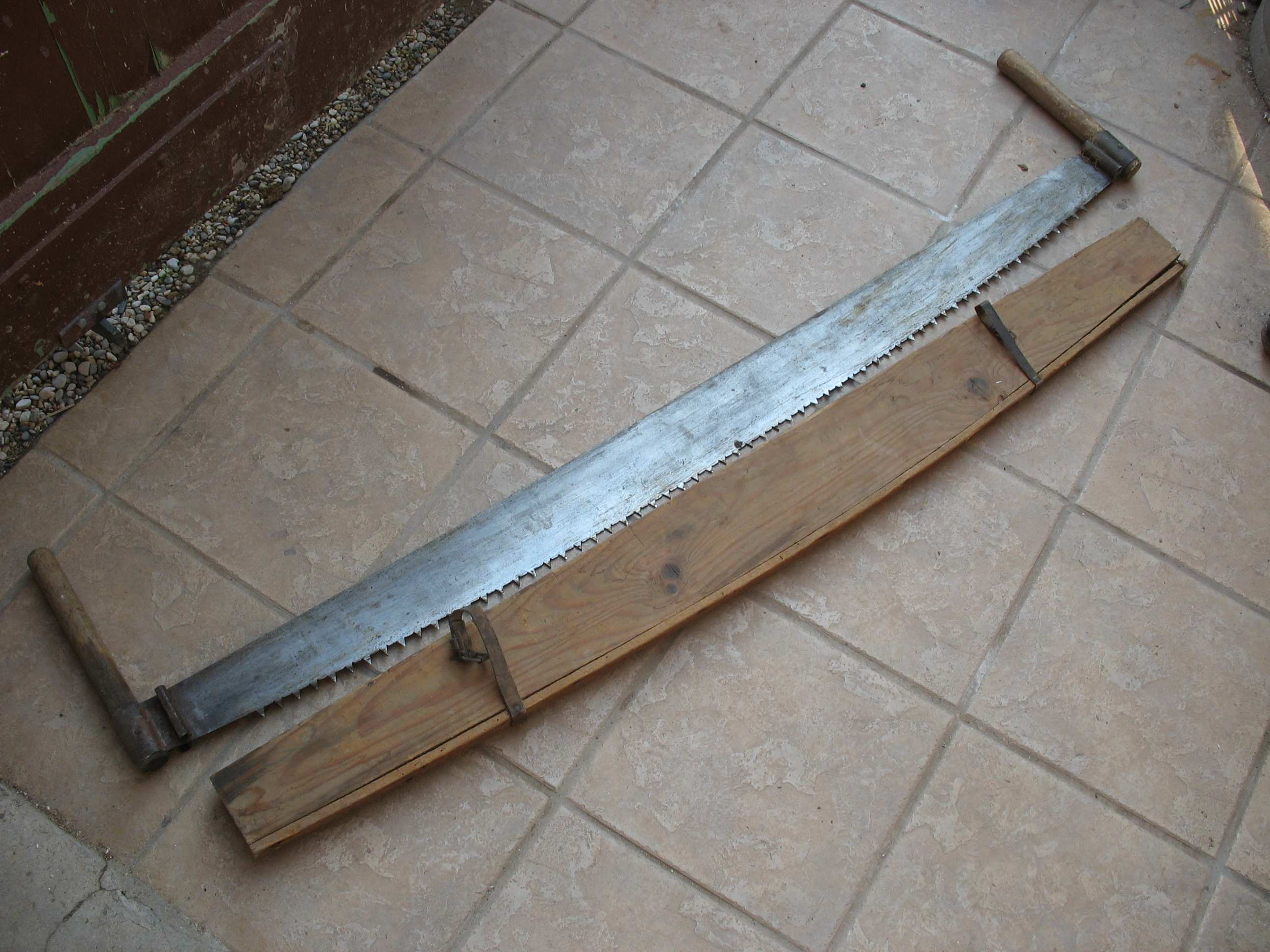


 Lock Tools, Ltd. was a secondary brand of William Hunt & Sons, The Brades, Ltd. Lock Tools was incorporated 8 Nov. 1940, with the address of City Road, Brades, Oldbury. It was independent in later years and dissolved in 1982. Their label featured Lock Tools Ltd. in a circle, with City Road Oldbury in large type around the outside of the circle.


